
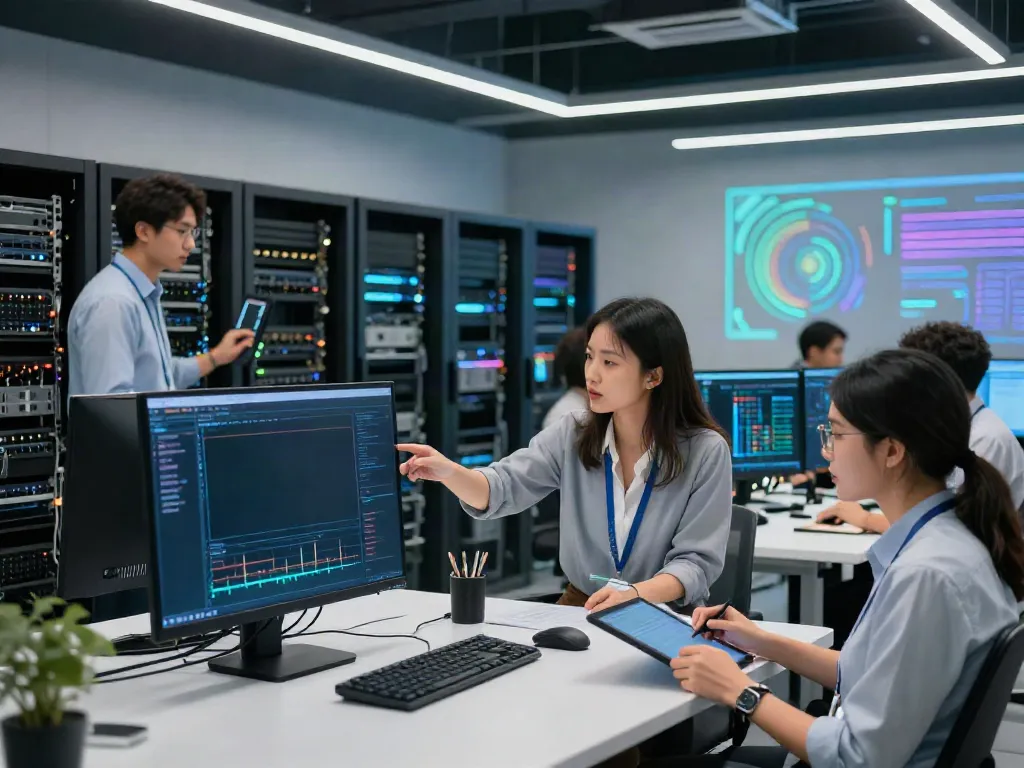
Understanding the Basics of AI Tokens
In the ever-evolving landscape of artificial intelligence (AI), understanding the foundational elements is crucial for anyone looking to participate effectively in the AI ecosystem. At the heart of this ecosystem are AI tokens, which serve as the basic units of measurement for data processed by AI models. These tokens play a pivotal role, particularly in the AI Token Economy, which relies on a robust power infrastructure to function optimally. For a detailed overview, you may want to explore what are AI tokens and how they can impact your involvement in AI factories.
What Are AI Tokens?
AI tokens can be defined as the smallest units of data that an AI model processes during training and inference. These tokens may represent parts of words, complete words, or even punctuation. Essentially, when you interact with AI systems, your requests are segmented into these tokens, which the model interprets to generate responses. For instance, a single sentence could be broken down into numerous tokens, enabling the model to analyze and understand the context appropriately.
The Role of AI Tokens in Data Processing
The significance of AI tokens extends beyond mere measurement; they are integral to the way AI systems function. For example, in natural language processing, each phrase you input into a model is transformed into tokens that the system understands. This tokenization process is crucial for both the input and output of AI systems. As requests are processed, the AI generates output tokens, which are then reconstructed into human-readable text. The efficiency and effectiveness of this process largely determine the quality of the responses generated by AI models.
How AI Tokens Impact Inference Workloads
When AI models perform inference tasks, they rely heavily on tokens to gauge complexity and resource requirements. Each token processed incurs a computational cost, directly influencing the overall performance and scalability of the AI system. As workloads increase, the demand for tokens also rises, necessitating substantial power resources to maintain efficient operations. This connection highlights the need for a robust AI infrastructure that can seamlessly manage the processing of large volumes of tokens.
Importance of Power Infrastructure for AI Tokens
Power infrastructure is a critical component of the AI Token Economy. The operational success of AI models hinges on reliable electricity supply and efficient resource allocation. As AI technologies continue to advance, the importance of understanding and managing power resources becomes paramount. Without a solid power infrastructure, the development and deployment of AI technologies could face significant obstacles.
Why Power Matters in the AI Token Economy
Electricity acts as the lifeblood of AI factories, powering the GPU infrastructure that processes reservations and computes inference workloads. A reliable supply of energy is necessary to sustain high-density computing environments that AI models depend on. In the context of the AI Token Economy, the power provided directly correlates to the output tokens generated, affecting both revenue and operational efficiency. Understanding this relationship can provide valuable insights into optimizing AI operations.
Global Infrastructure Support for AI Tokens
The global demand for AI solutions necessitates a comprehensive power infrastructure that spans multiple regions. Organizations like 51 AIpower are pioneering efforts to connect various power resources with AI factory operations, thereby creating a more responsive and adaptable network. This interconnected approach not only enhances the efficiency of AI models but also streamlines the token processing needed for effective AI operations.
Connection Between Power Resources and AI Factories
AI factories require a consistent and substantial supply of electricity to operate effectively. By aligning power resources with the specific demands of AI workloads, organizations can improve operational efficiency and reduce costs. This integration is vital for scaling AI operations, particularly as the demand for AI services continues to rise. Building a strong connection between power resources and AI factories is essential for supporting the burgeoning AI Token Economy.
Choosing Your AI Infrastructure Power Plan
Selecting an appropriate AI Infrastructure Power Plan is crucial for maximizing your contribution to the AI ecosystem. 51 AIpower offers several plans tailored to different levels of power support, allowing participants to choose options that align with their operational needs and goals.
Types of AI Infrastructure Power Plans
AI Infrastructure Power Plans are designed to cater to various user requirements, from core access to advanced power capabilities. The primary options include:
- S1 – Core Power Access: Basic access to essential power resources.
- S2 – Enhanced Power Access: Increased capacity and performance for more demanding applications.
- S3 – Advanced Power Access: Tailored for high-performance needs and critical operations.
- M1 – Professional Power Scale: Designed for organizations requiring substantial computational resources.
- M2 – High Power Efficiency: Focused on optimizing energy use while supporting significant workloads.
- M3 – High Power Capacity: Ensures the capacity to handle extensive data processing requirements.
- X1 – Large-Scale Power System: Suited for organizations with massive AI model requirements.
- X2 – High-Capacity Power System: Provides optimal resources for intensive AI operations.
- X3 – Enterprise Power System: Delivers comprehensive support for enterprise-level applications.
Calculating Your Power Contribution Rewards
Understanding how rewards are calculated is essential for participants in the AI Token Economy. This process typically involves tracking the electricity supported by your chosen plan and the number of tokens processed during AI workloads. At the end of each settlement period, the platform calculates eligible service revenues, deducts operational costs, and determines each participant's rewards based on their recorded contributions. This transparent system ensures that users are fairly compensated for their participation.
Activating Your AI Power Plan
Once you've chosen a suitable power plan, activating it is straightforward. After activation, your plan enters the contribution tracking system, where your supported electricity is allocated to GPU infrastructure. This setup allows you to start playing a vital role in powering AI factories and contributing to the broader AI Token Economy.
Best Practices for Maximizing AI Token Usage
As participants in the AI Token Economy, maximizing your AI token usage can lead to greater efficiency and improved rewards. Implementing the following best practices can enhance your effectiveness in managing AI tokens:
Optimizing Power Allocation for AI Operations
Efficient power allocation is critical for ensuring that AI workloads can be processed without interruptions. By analyzing usage patterns and adjusting power distribution dynamically, organizations can improve both the performance and reliability of AI services.
Strategies for Effective AI Token Management
Effective management of AI tokens involves not only understanding their value but also actively monitoring token usage. Implementing automated monitoring tools can help track token consumption, enabling timely adjustments to optimize resource allocation. This practice can contribute significantly to overall cost savings and operational efficiency.
Leveraging Environmental Factors to Enhance Performance
Environmental factors, such as local energy costs and available renewable resources, can greatly influence the performance and economics of AI operations. By strategically selecting power sources based on these factors, participants can enhance the sustainability and cost-effectiveness of their power usage.
Future Trends in AI Tokens and Infrastructure
As technology continues to advance, several trends are likely to shape the future of AI tokens and their underlying infrastructure. Staying informed about these developments will be crucial for anyone engaged in the AI Token Economy.
Emerging Technologies in AI Token Management
New technologies, such as blockchain and smart contracts, are beginning to play a role in AI token management. These innovations can enhance transparency and security in token transactions, making it easier for users to verify their contributions and rewards.
Predictions for AI Tokens in 2026 and Beyond
Looking ahead, AI tokens are expected to become even more integral to the AI landscape. As the demand for AI services grows, so too will the need for a more sophisticated infrastructure capable of handling increased token processing and power requirements. This evolution will contribute to a more robust and efficient AI Token Economy.
Industry Insights from Leading AI Infrastructure Providers
Leading AI infrastructure providers are consistently evolving their strategies to support the growing demands of the AI Token Economy. By analyzing the insights and experiences of these organizations, participants can gain valuable knowledge to improve their operations and adapt to changing market dynamics.
How Can Participation in the AI Token Economy Benefit You?
Engaging with the AI token economy provides participants with numerous advantages, including access to advanced AI technology, opportunities for financial rewards, and a chance to shape the future of AI infrastructure. By participating in this ecosystem, you can not only contribute to the development of AI but also leverage the benefits it offers.
What Are the Risks Involved with AI Tokens?
While the potential for rewards is significant, engaging in the AI Token Economy also comes with risks. Factors such as fluctuating energy costs, changes in AI usage patterns, and infrastructure challenges can impact both the performance of AI systems and the corresponding rewards for participants. Understanding these risks is essential for making informed decisions.
Who Should Be Involved in AI Token Management?
AI token management should involve a diverse group of stakeholders, including individual participants, organizations operating AI infrastructure, and energy providers. By collaborating, these entities can ensure that the AI Token Economy remains sustainable and efficient, paving the way for future innovations.