
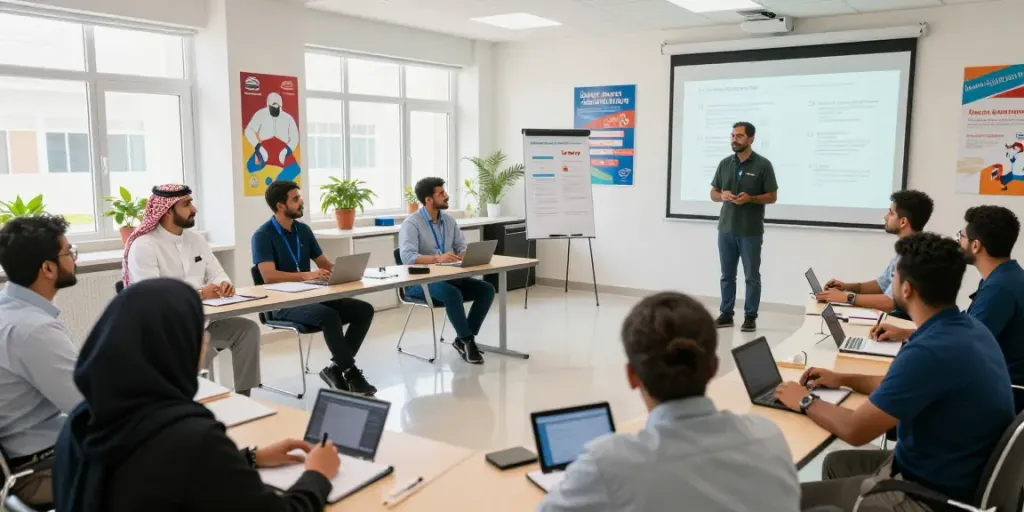
The Importance of HSE Training in Saudi Arabia
Health, Safety, and Environmental (HSE) training have become a crucial aspect of professional development in Saudi Arabia, driven by the nation's rapid economic growth and commitment to maintaining international safety standards. As industries such as oil and gas, construction, and manufacturing expand, the demand for knowledgeable and skilled HSE professionals has never been higher. Comprehensive training ensures that organizations not only comply with local regulations but also adopt best practices for workplace safety and environmental stewardship. When exploring options, Training Institute Saudi Arabia provides comprehensive insights into the available courses and certifications.
Understanding HSE Standards and Regulations
In Saudi Arabia, HSE standards are shaped by various local and international regulations that mandate safe practices across industries. The Kingdom’s Ministry of Human Resources and Social Development, along with other governmental bodies, has set forth guidelines that align with global standards like OSHA and ISO certifications. Organizations are required to not only implement these regulations but also to ensure that their employees are well-versed in them to avoid incidents and ensure compliance.
The introduction of the Saudi Vision 2030 has accelerated the focus on HSE aspects in various sectors, promoting a culture of safety and sustainability. Companies are now expected to adhere to the highest levels of safety, making HSE training not just beneficial, but essential.
Benefits of Occupational Health and Safety Training
Investing in occupational health and safety training yields numerous benefits for organizations and employees alike. Key advantages include:
- Reduced Incidents and Accidents: Proper training equips employees with the necessary skills to identify hazards, reducing the likelihood of accidents.
- Enhanced Compliance: Well-trained staff help organizations stay compliant with local laws and global standards, mitigating the risk of legal repercussions.
- Improved Productivity: A safe working environment fosters employee morale and productivity, leading to better overall performance.
- Cost Savings: Decreasing workplace accidents can lead to significant savings on medical costs and insurance premiums.
- Career Advancement: Professionals with HSE certifications are often more competitive in the job market, opening up opportunities for career growth.
Key Health and Safety Certifications in 2026
As industries evolve, so do the certifications necessary for HSE professionals. In 2026, several key qualifications are highly regarded in Saudi Arabia:
- NATIONAL FIRE PROTECTION ASSOCIATION (NFPA) Certifications
- PROQUAL NVQ Level 6 Diploma in Occupational Health and Safety Practice
- PROQUAL Level 7 Diploma in Strategic Health and Safety Leadership and Management
- ISO certifications, such as ISO 9001:2015 (QMS), ISO 14001:2026 (EMS), and ISO 45001:2018 (OHSMS)
- IOSH Managing Safely
These certifications provide professionals with the tools to effectively manage health and safety in their respective industries, ensuring they are well-equipped to handle the challenges of modern workplaces.
Overview of Available HSE Courses
Diplomas and Certifications Offered
In Saudi Arabia, a wide array of HSE courses is available to cater to diverse professional needs. These include:
- NVQ Level 3 Certificate in Occupational Health and Safety: Ideal for those entering the field, offering foundational knowledge.
- PROQUAL Level 3 Award in Environmental Management: Focused on the essentials of managing environmental risks.
- PROQUAL Level 6 Diploma in Sustainability and Environmental Management: Designed for those looking to specialize in sustainability practices.
- Fire Safety Courses: Including the International Award in Fire Safety and specialized training for Fire Watchers.
- Behavior-Based Safety Courses: Aimed at improving safety cultures within organizations.
Course Delivery Options: In-Person vs. Online
With the advent of technology, training delivery methods have diversified to accommodate different learning preferences. Traditional in-person courses offer hands-on experience and direct interaction with instructors, making them ideal for practical training. Alternatively, online courses provide flexibility, allowing professionals to learn at their own pace and from any location, which is particularly beneficial for those balancing work and study.
Many training institutes also offer hybrid models, combining in-person workshops with online modules to enhance learning outcomes.
Tailoring Training to Industry Needs
Recognizing that different industries have unique HSE requirements, leading training institutes in Saudi Arabia offer customized training solutions. This tailored approach ensures that the content is relevant and applicable to the specific challenges faced by organizations, whether in construction, oil and gas, or healthcare.
By aligning training programs with industry standards and specific organizational needs, firms can ensure maximum ROI from their training investments.
Choosing the Right Training Institute
Accreditations and Partnerships to Look For
When selecting a training institute, it is vital to consider their accreditations and partnerships. Well-regarded institutes often collaborate with reputable organizations such as:
- National Fire Protection Association (NFPA)
- Highfield Approved Training Centre (HABC)
- ProQual (UK)
- National Association of Safety Professionals (NASP)
These affiliations indicate that the institute adheres to international standards in training and certification, ensuring that participants receive quality education.
Evaluating Course Quality and Instructor Expertise
The effectiveness of HSE training largely depends on the quality of the courses and the expertise of the instructors. Prospective learners should research the qualifications and experience of instructors, as well as the course curriculum. Ensuring that the training is both comprehensive and engaging is pivotal for effective knowledge retention.
Feedback and Testimonials from Previous Participants
Feedback from former participants can provide valuable insights into the quality of training and the effectiveness of the institute. Prospective trainees should seek testimonials and reviews, which can usually be found on the institute’s website or independent review platforms. Positive endorsements often reflect the institute's success in equipping professionals with the necessary skills.
Challenges in HSE Training Implementation
Overcoming Resistance to Change in Organizations
Introducing HSE training can sometimes meet resistance from both management and employees, particularly in organizations with established practices. To mitigate this, it’s essential to communicate the benefits of HSE training clearly, demonstrating how it aligns with the company's goals and enhances safety.
Engaging leadership in the process can also help in gaining buy-in from all levels of the organization, fostering a culture of safety and compliance.
Addressing Diverse Learning Needs of Employees
With varying levels of experience and learning styles among employees, HSE training must accommodate these differences. Offering a mix of training formats—such as hands-on workshops, e-learning modules, and visual aids—can enhance engagement and learning retention, catering to a broader audience.
Logistical Considerations for Training Delivery
Logistics can pose significant challenges in delivering effective HSE training, especially for large organizations with dispersed teams. Considerations such as location, scheduling, and resource availability must be addressed to ensure smooth implementation. Some institutes offer on-site training, which can be a cost-effective solution for companies needing to train multiple employees.
Future Trends in HSE Training and Education
Emerging Technologies in Safety Training
The integration of technology into HSE training is on the rise, with virtual reality (VR) and augmented reality (AR) becoming popular tools for immersive learning experiences. These technologies allow trainees to simulate real-world scenarios in a controlled environment, enhancing their understanding and preparedness without the associated risks.
Global Standards Influencing Local Training Programs
As Saudi Arabia continues to align itself with global standards, training programs must adapt to incorporate these changes. Adopting practices from international standards such as ISO and OSHA ensures that training remains relevant and competitive.
Projected Developments for Saudi Arabia's Workforce
Looking ahead, the Saudi workforce is expected to evolve significantly with increasing digitalization and emphasis on safety. Continuous learning and upskilling in HSE practices will be paramount to meet the challenges posed by new technologies and industry demands. This necessitates a commitment to lifelong learning and professional development among Saudi professionals.
What are the key certifications for professionals in Saudi Arabia?
For professionals aiming to excel in the HSE landscape, key certifications include those mentioned earlier from organizations such as the NFPA, ProQual, and IOSH. These certifications not only enhance individual credentials but also contribute to creating a safer working environment.
How does HSE training impact workplace safety?
HSE training plays a crucial role in enhancing workplace safety by equipping employees with the skills to recognize and manage hazards effectively. This proactive approach helps organizations reduce incidents and foster a culture of safety.
What should I consider when choosing a training institute?
When selecting a training institute, consider factors such as accreditation, course offerings, instructor expertise, and participant feedback. A well-rounded approach will ensure you choose an institute that meets your specific training needs.
Are online training courses effective for HSE training?
Yes, online training courses can be highly effective for HSE training, particularly when they incorporate interactive elements like quizzes and discussion forums. The flexibility they offer allows professionals to balance work and study, making them a popular choice in today's busy work environment.
What are the benefits of obtaining ISO certifications?
Obtaining ISO certifications provides several benefits, including improved operational efficiency, enhanced customer satisfaction, and greater marketability for professionals. These certifications demonstrate an organization’s commitment to quality, safety, and sustainability.