Understanding Precision CNC Machining
Precision CNC machining stands at the forefront of modern manufacturing, serving a diverse array of industries from aerospace to automotive. This advanced technology enables the production of intricate parts with remarkable accuracy, streamlining processes that would otherwise be daunting with traditional machining methods. Since 2003, Honscn has been dedicated to providing professional precision cnc machining supplier services that meet the evolving demands of manufacturers around the globe.
What is Precision CNC Machining?
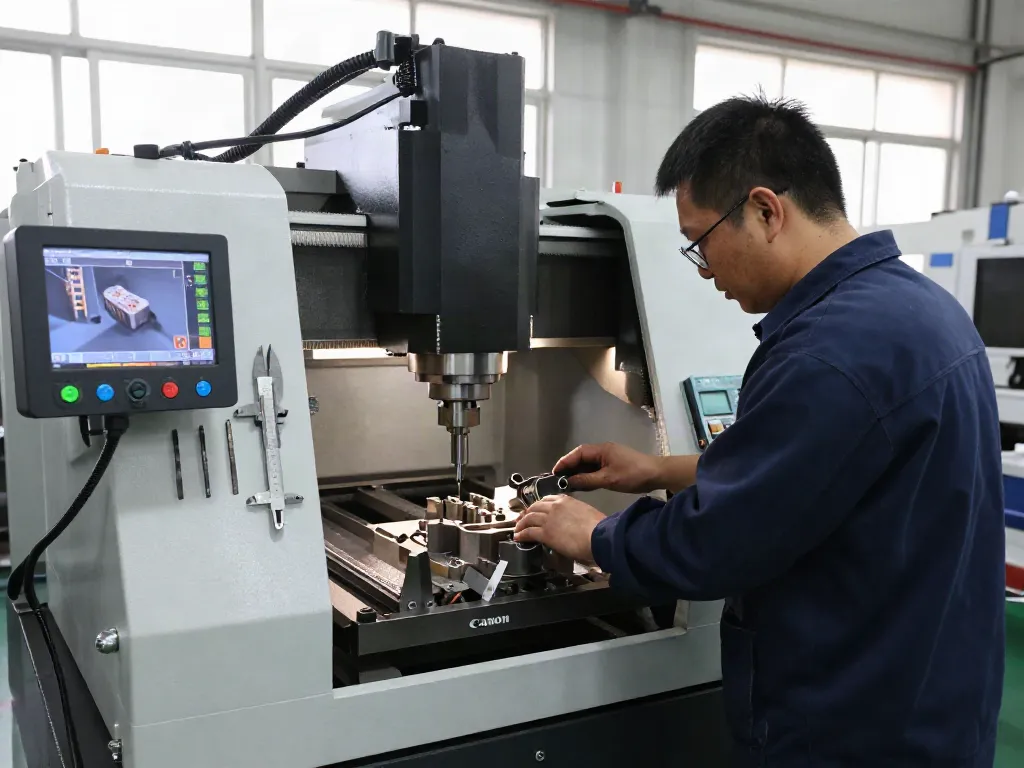
Precision CNC machining employs computer numerical control (CNC) processes to manufacture parts with extreme accuracy and repeatability. Unlike manual machining, CNC machining uses pre-programmed software to dictate the movement of machinery, resulting in high-volume production of complex parts. This capability optimizes the efficiency of manufacturing processes, allowing for the creation of components that meet tight tolerances and specifications.
Key Features of CNC Machining Services
- High Precision: CNC machining can achieve tolerances as tight as ±0.001 inches, making it ideal for applications that require exact specifications.
- Versatility: CNC machines can work with various materials including metals, plastics, and composites, catering to multiple industries.
- Automation: Automation reduces human error, leading to greater consistency and efficiency in production lines.
- Scalability: CNC machining can easily scale from prototyping to large production runs without compromising quality.
Benefits of Choosing a Precision CNC Machining Supplier
Working with an experienced precision CNC machining supplier brings several advantages. Firstly, their expertise ensures that clients receive top-notch quality and timely delivery. Furthermore, suppliers like Honscn prioritize customer relationships, providing tailored solutions that cater specifically to each client’s needs. This partnership can lead to improved product quality, reduced iteration cycles, and enhancements in overall project execution.
Evaluating CNC Machining Suppliers
Selecting the right CNC machining supplier is critical to achieving manufacturing success. Businesses must consider multiple factors to ensure they are partnering with a reliable and efficient service provider.
Factors to Consider When Selecting a Supplier
- Experience and Reputation: Look for suppliers with a proven track record in the precision CNC machining industry.
- Technology and Equipment: Ensure the supplier utilizes state-of-the-art machinery that can handle your specific requirements.
- Quality Certifications: Suppliers that comply with international quality standards (like ISO 9001) often deliver more reliable results.
- Customer Support: Effective communication and support can streamline processes and address issues promptly.
How to Assess Quality Assurance Processes
A robust quality assurance (QA) process is essential for ensuring the integrity of manufactured parts. Evaluate potential suppliers by asking for details about their QA protocols, including:
- Inspection methods
- Testing procedures
- Traceability of materials used
- Data management practices
Identifying Specialized Capabilities and Technologies
Different suppliers may have specialized capabilities that set them apart. Whether it’s multi-axis machining, advanced software for design, or rapid prototyping services, identifying these specialized offerings can help businesses choose the right partner for specific project requirements.
Common Challenges in CNC Machining
While CNC machining offers numerous advantages, it is not without its challenges. Understanding these common obstacles can help businesses proactively address potential issues.
Managing Tolerances and Specifications
Maintaining strict tolerances is crucial in precision machining. Variability in material properties, machine calibration, and programming errors can affect accuracy. Regular machine maintenance and updated programming are essential for minimizing such risks.
Mitigating Production Delays and Errors
Production delays can arise from machinery breakdowns, supply chain issues, or poor communication with suppliers. To mitigate these risks, businesses should establish contingency plans and maintain open lines of communication with their CNC partners.
Cost Considerations in Precision Machining
The costs associated with CNC machining can vary significantly based on factors such as materials, complexity of the part, and volume of production. It is essential to work with a supplier who offers transparent pricing and can provide detailed estimates to avoid unexpected expenses. Understanding the cost breakdown will help organizations make informed financial decisions.
Future Trends in Precision CNC Machining
The landscape of precision CNC machining is continually evolving due to advancements in technology and shifting market demands. Staying informed about these trends is key for businesses aiming to remain competitive.
Emerging Technologies Shaping the Industry
Technologies such as artificial intelligence (AI), machine learning, and the Internet of Things (IoT) are beginning to transform how CNC machining operations are conducted. These innovations promise to enhance efficiency, optimize production schedules, and reduce downtime by enabling predictive maintenance.
Sustainability Practices in CNC Machining
As industries place greater emphasis on sustainability, CNC machining suppliers are adopting eco-friendly practices. This includes the use of sustainable materials, waste minimization strategies, and energy-efficient machinery to reduce their environmental impact.
Predictions for the CNC Machining Landscape by 2026
By 2026, the CNC machining industry is poised to see significant growth fueled by ongoing advancements in technology and automation. Companies that embrace these changes—such as integrating collaborative robotics and adopting smart manufacturing solutions—will likely lead the market.
Real-World Applications of Precision CNC Machining
Precision CNC machining is utilized across various industries, showcasing its versatility and importance in modern manufacturing.
Industry-Specific Use Cases: Automotive, Aerospace, and More
In the automotive sector, precision CNC machining is essential for producing components like engine blocks, transmission parts, and custom fixtures. Similarly, in aerospace, it enables the creation of lightweight, high-strength components that meet strict safety standards. Industries such as medical devices and consumer electronics also rely heavily on CNC machining for precision parts that govern performance and safety.
Case Studies: Successful Precision Machining Projects
Numerous companies have successfully implemented precision CNC machining to revolutionize their manufacturing processes. For instance, aerospace manufacturers have reported reduced lead times and improved component performance through the adoption of advanced CNC techniques. These success stories highlight the efficacy of precision machining in meeting industry demands.
Innovative Solutions for Complex Machining Needs
Companies are increasingly seeking innovative solutions to address complex machining requirements. Techniques like additive manufacturing combined with CNC machining offer exciting opportunities for creating unique geometries that are difficult to produce using traditional methods.
Frequently Asked Questions
What to look for in a precision CNC machining supplier?
When searching for a precision CNC machining supplier, consider their experience, technology investments, quality assurance processes, and client testimonials. A reliable partner should demonstrate capability in handling your specific requirements.
How does CNC machining differ from traditional machining?
CNC machining is computer-controlled, while traditional machining relies heavily on manual operation. This difference allows CNC machining to produce parts at higher precision and efficiency, making it more suitable for complex designs.
What industries benefit most from precision CNC machining?
Industries such as aerospace, automotive, medical devices, and electronics benefit greatly from precision CNC machining due to their need for high-quality, precise components.
What advances are expected in CNC machining technology?
Future advancements in CNC machining technology are likely to include increased automation, smarter integration of AI for predictive maintenance, and enhanced simulation tools for improved design accuracy and efficiency.
How can I ensure quality in CNC machined parts?
To ensure quality in CNC machined parts, establish clear specifications, choose a reputable supplier, and implement thorough inspection protocols throughout the production process.