Understanding the Manaslu Trek: An Overview
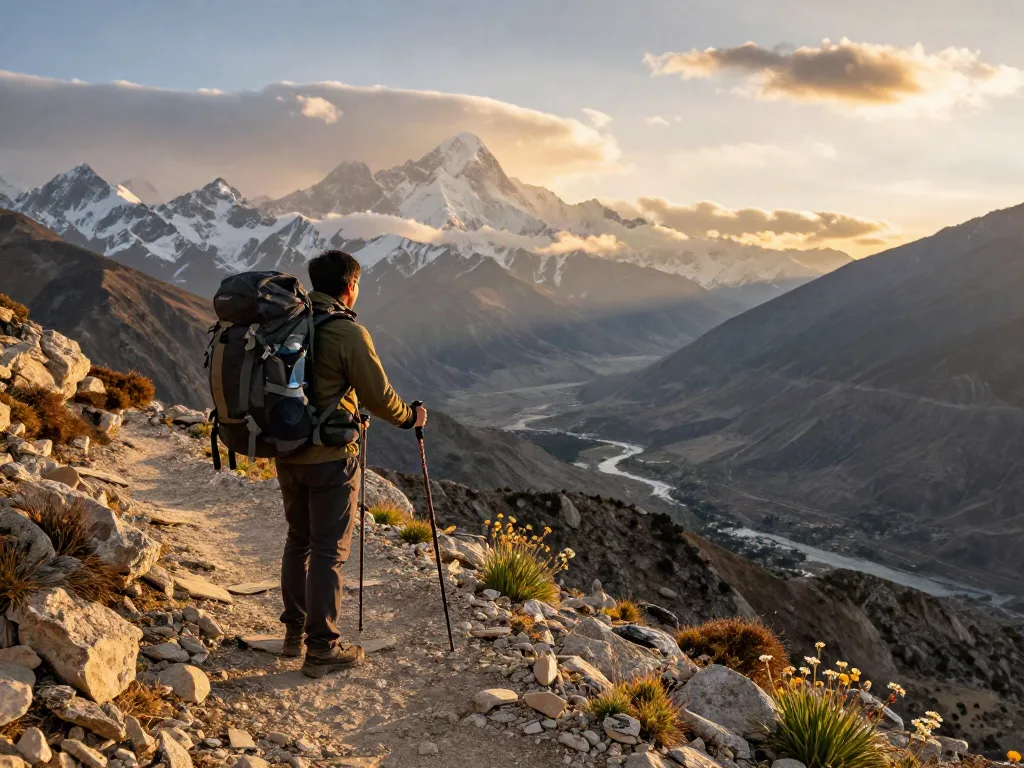
The Manaslu Trek is an incredible journey that offers trekkers a unique blend of stunning landscapes, rich culture, and challenging terrains. Nestled in the majestic Himalayas, this trek encircles Mount Manaslu, the eighth highest peak in the world. Spanning approximately 177 kilometers, the trek takes adventurers through charming villages, lush forests, and breathtaking mountain vistas. With its remote location and less crowded trails, the Manaslu Circuit provides an authentic Nepalese trekking experience that is both adventurous and culturally enriching.
What is the Manaslu Trek?
The Manaslu Circuit Trek is a carefully curated trekking route that circumnavigates Mount Manaslu (8,163m/26,781ft). It is recognized for its stunning natural beauty, diverse ecosystems, and rich cultural heritage. The trek begins in the village of Machha Khola and ends at Dharapani, offering a remarkable 15-day itinerary that allows trekkers to enjoy the Himalayan experience fully. Travelers can expect to encounter various terrains, from lush subtropical forests to high-altitude landscapes, ensuring a challenging yet rewarding adventure.
Key Highlights and Attractions of the Trek
- Crossing the Larkya La Pass (5,160m/16,929ft) – the highest point of the trek, offering panoramic views of the Manaslu massif and beyond.
- Exploration of traditional villages like Samagaon, where trekkers can immerse themselves in the local culture and lifestyle.
- Opportunity to visit Birendra Lake and Manaslu Base Camp, presenting spectacular glacial landscapes.
- Diverse flora and fauna in the Manaslu Conservation Area, home to rare wildlife such as the snow leopard and Himalayan tahr.
The Unique Cultural Experience Along the Route
The Manaslu Circuit is not just about stunning vistas; it also offers a profound cultural experience. Trekkers will move through numerous villages where the rich traditions of the Gurung and Tibetan ethnic groups can be experienced firsthand. Visitors can participate in local customs, visit ancient monasteries, and witness traditional festivals, fostering a deep connection with the region's heritage.
Preparing for Your Manaslu Trek Adventure
Physical Fitness and Training Guidelines
Before embarking on the Manaslu Trek, it is crucial to assess your physical fitness. Trekkers should engage in cardiovascular training and strength training exercises at least two to three months prior to the trek. Activities such as hiking, jogging, cycling, and swimming can significantly enhance your endurance and prepare your body for the rigors of the trek.
Essential Gear and Packing List for the Trek
Proper gear is essential for a successful trekking experience. Here’s a comprehensive packing list:
- Upper Body: moisture-wicking shirts, insulating layers (fleece or down), windproof jacket.
- Lower Body: trekking pants, thermal leggings, shorts.
- Footwear: sturdy trekking boots, camp shoes, thick socks.
- Accessories: trekking poles, hats (sun and warm), gloves, sunglasses.
- Medical Kit: essentials such as band-aids, pain relievers, altitude sickness tablets.
Understanding Trekking Permits and Requirements
The Manaslu region is a restricted trekking area, requiring several permits including the Manaslu Conservation Area Permit (MCAP), Trekkers' Information Management System (TIMS) permit, and the Manaslu Restricted Area Permit (MRAP). It’s crucial to arrange these permits in advance through a licensed trekking agency, as they cannot be obtained independently.
Navigating the Itinerary: A Day-to-Day Breakdown
Detailed Itinerary for the 15-Day Trek
Below is a typical day-to-day itinerary for the Manaslu Circuit Trek:
- Day 1: Arrival in Kathmandu - transfer to hotel.
- Day 2: Drive to Machha Khola (8-10 hours).
- Day 3: Trek to Jagat (6-7 hours).
- Day 4: Trek to Deng (6-7 hours).
- Day 5: Trek to Namrung (7-8 hours).
- Day 6: Trek to Lho (3-4 hours).
- Day 7: Trek to Samagaon (3-4 hours).
- Day 8: Acclimatization day - hike to Birendra Lake and Manaslu Base Camp (7-8 hours).
- Day 9: Trek to Samdo (3-4 hours).
- Day 10: Trek to Dharmashala (4-5 hours).
- Day 11: Trek to Bimthang via Larkya La Pass (8-9 hours).
- Day 12: Trek to Goa (5-6 hours).
- Day 13: Trek to Dharapani (3-4 hours).
- Day 14: Drive back to Kathmandu (10-12 hours).
- Day 15: Transfer to the airport for departure.
Acclimatization and Its Importance
Acclimatization is crucial to prevent altitude sickness during the trek. It is essential to take the scheduled acclimatization day at Samagaon, allowing your body to adapt to changing elevations gradually. Engage in light activities during this day, such as a short hike to Birendra Lake, which helps in adjusting to the altitude.
Sample Daily Schedule on the Manaslu Circuit
A typical day on the Manaslu Circuit includes waking up at around 6:30 AM, followed by breakfast. Trekkers usually hit the trail by 7:30 AM, walking for about 5-8 hours daily. Lunch breaks are typically taken at local teahouses, and the evening is spent exploring nearby villages or resting at the teahouse.
Costs and Budgeting for the Manaslu Trek
Overview of Costs: What to Expect
The cost of the Manaslu Trek can vary based on several factors such as time of year, trekking agency, and inclusions in the package. Generally, trekkers should budget between $1500 to $2500 for the entire trip. This estimate includes permits, accommodations, meals, and guide/porter fees.
Inclusions and Exclusions in Trek Packages
Typical packages for the Manaslu Trek include:
- Transport from Kathmandu to the trekking starting point.
- Accommodation in teahouses during the trek.
- Meals (breakfast, lunch, and dinner) during the trek.
- Guide and porter fees.
- Required permits.
However, additional costs may include international flights, meals in Kathmandu, drinks, and personal expenses such as souvenirs.
Tips for Saving Money on the Manaslu Trek
- Travel in a group to share costs for guides and porters.
- Opt for a package that includes meals and accommodations to avoid unexpected expenses.
- Purchase your trekking gear in Kathmandu, where prices can be more affordable.
- Bring enough cash to cover your expenses, as ATMs may not be available on the route.
Frequently Asked Questions About the Manaslu Trek
What is the best time to go on the Manaslu Trek?
The ideal times for trekking the Manaslu Circuit are during spring (March to May) and autumn (September to November). These months generally provide stable weather conditions, clear skies, and stunning mountain views.
How challenging is the Manaslu Trek compared to other routes?
While the Manaslu Trek is demanding due to its high-altitude passes and rugged terrains, it is often considered less crowded and more serene compared to popular trails like the Annapurna Circuit or Everest Base Camp Trek.
What health precautions should trekkers consider?
Health precautions include consulting with a healthcare professional, staying hydrated, consuming a balanced diet, and ensuring adequate acclimatization during the trek. It's also advisable to have travel insurance that covers emergency evacuations.
Is it necessary to hire a guide for the Manaslu Trek?
Yes, hiring a guide is mandatory for the Manaslu Trek due to its status as a restricted area. A licensed guide ensures safety, navigates the terrain, and enhances the cultural experience.
What are the options for accommodation along the trek?
Along the Manaslu Circuit, trekkers can expect to stay in local teahouses that offer basic amenities and twin-sharing rooms. Accommodation might be more primitive at higher altitudes, but the warmth and hospitality of local hosts often make up for it.